


Considered surgical care, for real life.
Dr. Zeev Duieb is an experienced Melbourne General Surgeon offering evidence-based care for hernia, gallbladder, hemorrhoid and minor surgical conditions with the time and clarity every patient deserves.

MEET
Dr. Zeev Duieb, MBBS FRACS
General & Laparoscopic Surgeon
20+
years of experience
15,000
procedures performed
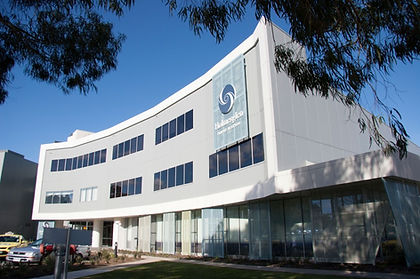
4 hospitals
across Melbourne
ABOUT DR. ZEEV
Modern general surgery, delivered with care
For over two decades, Dr. Zeev Duieb has provided general surgical care across Melbourne combining meticulous technique with a calm, thoughtful bedside manner.
Board-certified surgeon
Fellow of the Royal Australasian College of Surgeons with subspecialty experience in laparoscopic surgery.
A patient-first approach
Time for questions, straightforward explanations and a plan you understand.
CONDITIONS TREATED
Common conditions we care for
A focused general surgical practice covering the conditions patients most commonly encounter.


WHY CHOOSE DR. ZEEV
Care that puts you first
Fellowship trained
FRACS-qualified with sub-specialty laparoscopic expertise.
Prompt appointments
Most patients seen within 1–2 weeks; urgent cases sooner.
Trusted hospitals
Operating at leading Melbourne private hospitals.
Continuity of care
You see Dr. Zeev at every appointment, before and after surgery.
PATIENT JOURNEY
What to expect, step by step
Step 1
Book a consultation
Request an appointment online or by phone with your GP referral.
Step 2
Personal assessment
A thorough history and examination nothing rushed.
Step 3
A clear plan
Options explained plainly, with time for questions.
Step 4
Considered care
Whether monitoring, in-rooms or surgery done well.
Step 5
Confident recovery
Structured follow-up and clear after-care.
FROM THE BLOG
Latest Articles


FROM THE BLOG
Latest articles
COMMON QUESTIONS
Answers before your visit
Why am I bleeding after a bowel movement? Bleeding after a bowel movement is often caused by conditions affecting the anal or rectal area. The most common causes include haemorrhoids (piles) and anal fissures, which can occur due to straining, constipation, or passing hard stools. The blood is usually bright red and may appear on toilet paper or in the toilet bowl. While these causes are often not serious, persistent or unexplained bleeding should always be assessed by a healthcare professional to rule out other conditions.
Is rectal bleeding serious? Rectal bleeding can range from minor to more serious depending on the cause. In many cases, it is linked to common conditions such as haemorrhoids or anal fissures. However, rectal bleeding can sometimes indicate other digestive conditions that may require medical evaluation. If bleeding occurs frequently, is accompanied by pain, dizziness, weight loss, or changes in bowel habits, it is important to consult a doctor for proper diagnosis and treatment.
When should I see a doctor for haemorrhoids? You should consider seeing a doctor if: Bleeding occurs frequently or becomes heavier Pain or discomfort becomes severe Symptoms do not improve with home treatment after a week You notice a lump that does not go away There are changes in bowel habits or unexplained weight loss A medical professional can evaluate your symptoms and recommend the most appropriate treatment.
How can I stop haemorrhoid bleeding? Mild haemorrhoid bleeding can often be managed with simple measures such as: Increasing dietary fibre (fruits, vegetables, and whole grains) Drinking plenty of water Avoiding straining during bowel movements Taking warm sitz baths to soothe the area Using doctor-recommended topical treatments If bleeding persists or worsens, medical treatments may be required.
Do haemorrhoids cause pain? Haemorrhoids can cause discomfort, itching, swelling, or pain, especially if they become inflamed or develop a clot (known as a thrombosed haemorrhoid). Internal haemorrhoids are often painless but may cause bleeding, while external haemorrhoids can be more uncomfortable. If pain is severe or persistent, medical evaluation is recommended.
What is the difference between haemorrhoids and anal fissures? Although both conditions affect the anal area and may cause bleeding, they are different: Haemorrhoids are swollen blood vessels in the rectum or anus that may cause bleeding, itching, or swelling. Anal fissures are small tears in the lining of the anus, often caused by passing hard stools. They usually cause sharp pain during or after bowel movements. A doctor can diagnose the condition and recommend the appropriate treatment.
Is blood in stool always cancer? No, blood in the stool is not always caused by cancer. Many cases are due to common and treatable conditions such as haemorrhoids, anal fissures, or inflammation in the digestive tract. However, because rectal bleeding can occasionally signal more serious conditions, it is important to have persistent or unexplained bleeding evaluated by a healthcare professional.
Postpartum haemorrhoids treatment (Melbourne) Haemorrhoids are common after childbirth due to increased pressure during pregnancy and delivery. Many cases improve with conservative treatments such as increasing fibre intake, staying hydrated, using warm sitz baths, and avoiding straining during bowel movements. If symptoms persist or cause significant discomfort, a medical consultation can help determine the best treatment options. Clinics in Melbourne offer a range of effective treatments tailored to each patient’s needs.
PARTNERED WITH
.jpeg)

Location
Get in touch
Location
26 Balaclava Rd, St Kilda East VIC 3183, Australia
_jpg-scaled.jpg)


